CASAK

šŸ“ Register Now for the 2026 Geriatric Care Management Course

Ā  CLICK HERE TO REGISTER

GERIATRIC CARE MANAGEMENT CERTIFICATE

The Certificate in Geriatric CareĀ Management offered by CASAK equips caregivers, healthcare workers, families, and community members with practical skills to support older persons with dignity.

The program promotes a community-based model of care, enabling older persons to receive holistic support within homes, congregations, and community settings.

It combines practical caregiving skills, dementia awareness, mentorship, and the translation of neuroscience knowledge into everyday care to strengthen compassionate and sustainable elder care systems.

The CASAK Geriatric Care Training Program promotes best practices in dementia and elder care by connecting scientific knowledge about the brain with compassionate daily caregiving.

Through a structured mentorship approach, learners extend their knowledge beyond the training program by guiding and supporting caregivers who care for older persons in homes, families, congregations, and community settings.

This approach helps ensure that knowledge gained through training becomes practical action, improving the quality of care for older persons and strengthening sustainable systems of community-based support.

Ā 

NEURO SCIENCE DAILY CARE
CASAK’s dementia care focuses on brain awareness initiatives and community-based elder care model
2nd Cohort
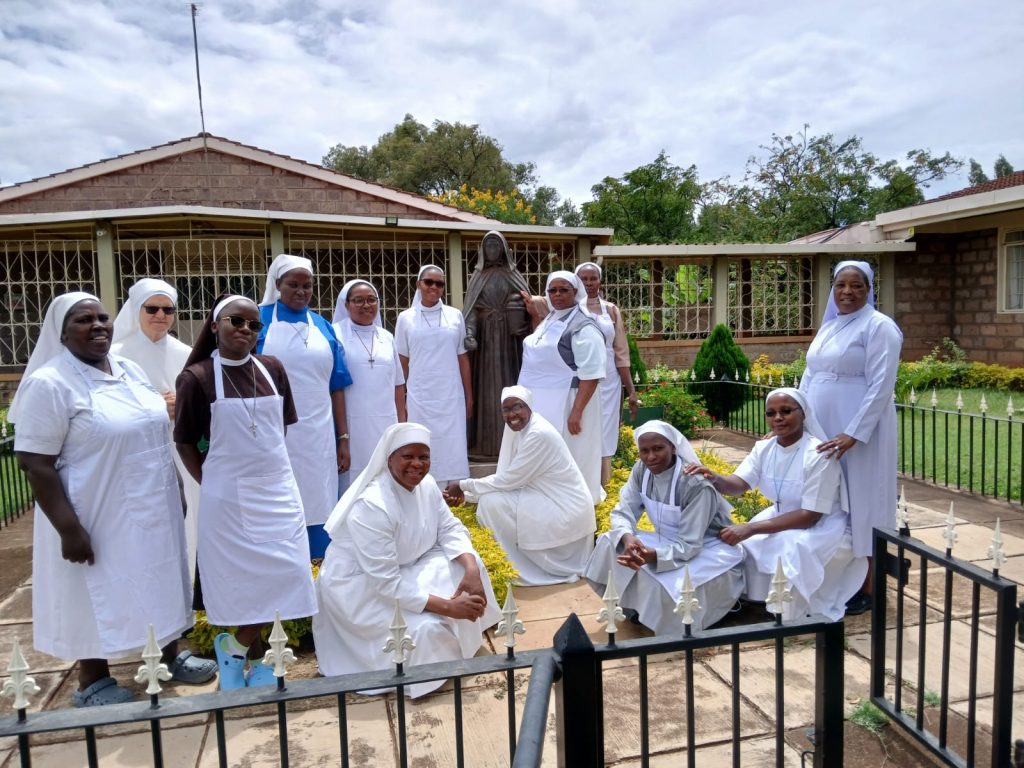
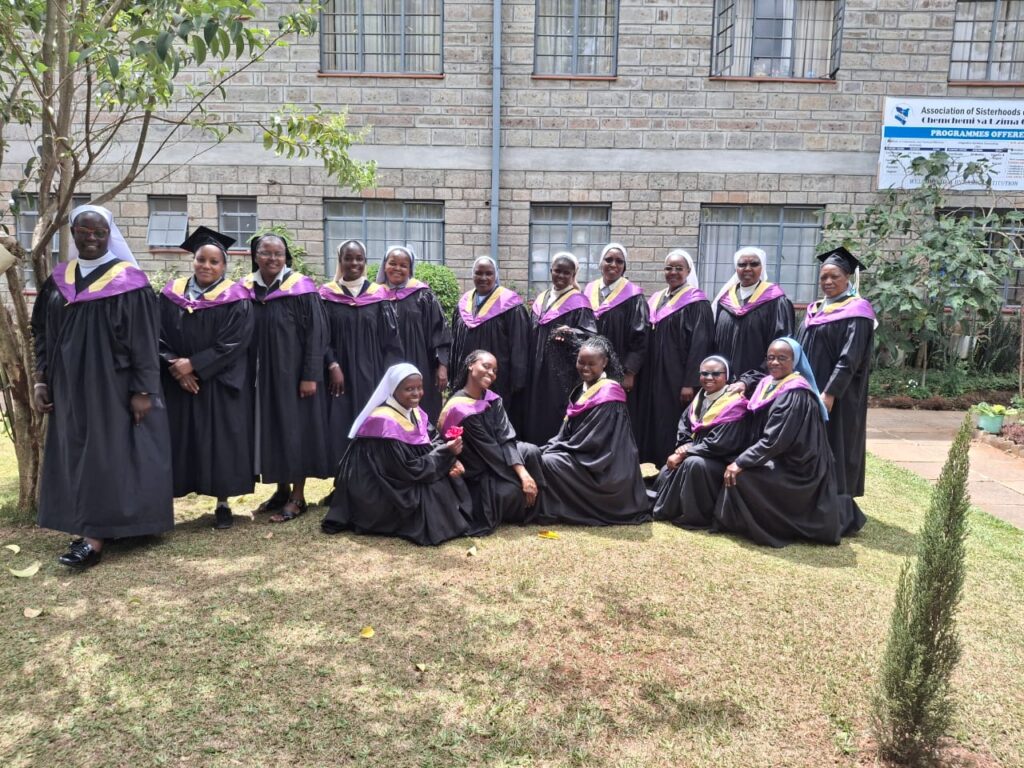
GRADUANTS 2025 COHORT TWO
PHOTO GCM WEB
GRADUANTS 2024-2025 COHORT ONE
Whatsapp image 2025 08 26 at 15.44.09
CLINICAL PLACEMENT IS COMPULSORY BOTH IN A HOSPITAL SETTING AND AN ELDERLY CARE CENTRE

Modules

1. Dynamics of elder care.
2. Health concerns
3. Practical approaches to elder care and active listening
4. Theology of suffering
5. Compassionate care
6. Collaboration and networking
7. Spirituality of aging
8. Practical approaches to elder care and active listening

Skills and attitudes

 1. How to understand the brain aging process?
2. How to promote Physical, emotional and psychological wellbeing
3. How to identify Geriatric issues
4. How to observe and critically assess a client
5. How to communicate and understand verbal and non-verbal communications
6. How to use the assessment tool?
7. How to safely move and handle clients
8. How to be compassionate and patient
9. How to manage stress
10. The legal and ethical issues related to aging
BASIC SKILLS IN NURSING

4
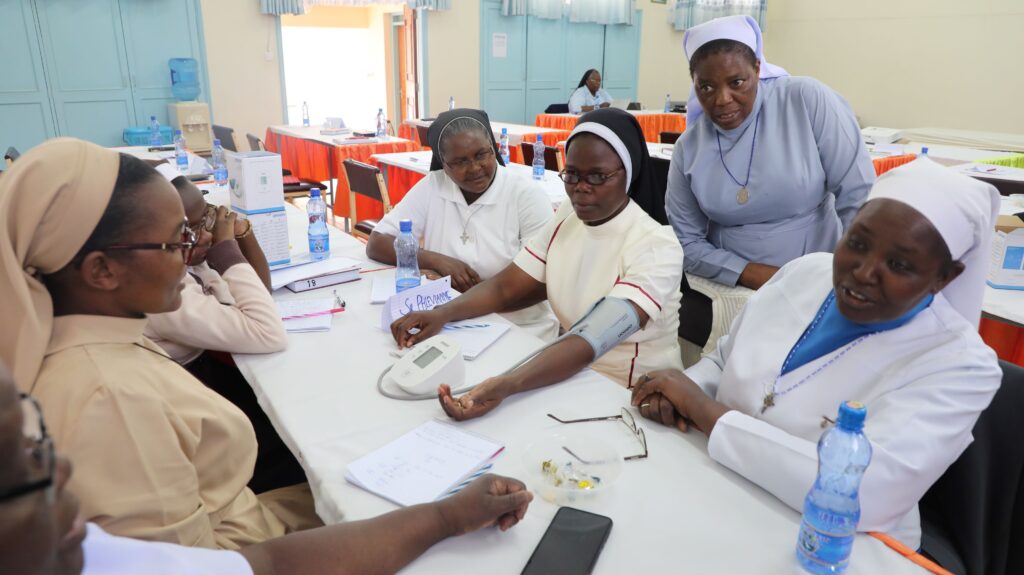
Learners are equipped with essential nursing and caregiving skills that enable them to support the health, safety, and wellbeing of older persons. These practical skills include: Personal hygiene and daily living support, Safe mobility and fall prevention, monitoring basic vital signs (temperature, pulse, blood pressure), nutrition and hydration support, medication observation and adherence support, recognition of health changes, compassionate communication and emotional support, basic dementia and cognitive care
Scroll to Top